Rutherford Appleton Laboratory · c.1976–2010

Brian John Smith

“I did simple things that worked.”

A mechanical designer whose quiet, elegant engineering helped a satellite watch the Sun for thirty years — and helped reveal the Higgs boson a hundred metres underground at CERN.

Read his story ↓

When people imagine world-changing discoveries, they picture famous scientists at blackboards or big announcements on television. Very few picture the person in a drawing office in Oxfordshire, figuring out how to stop the Sun from burning out a small electric motor on a satellite a million miles from Earth.

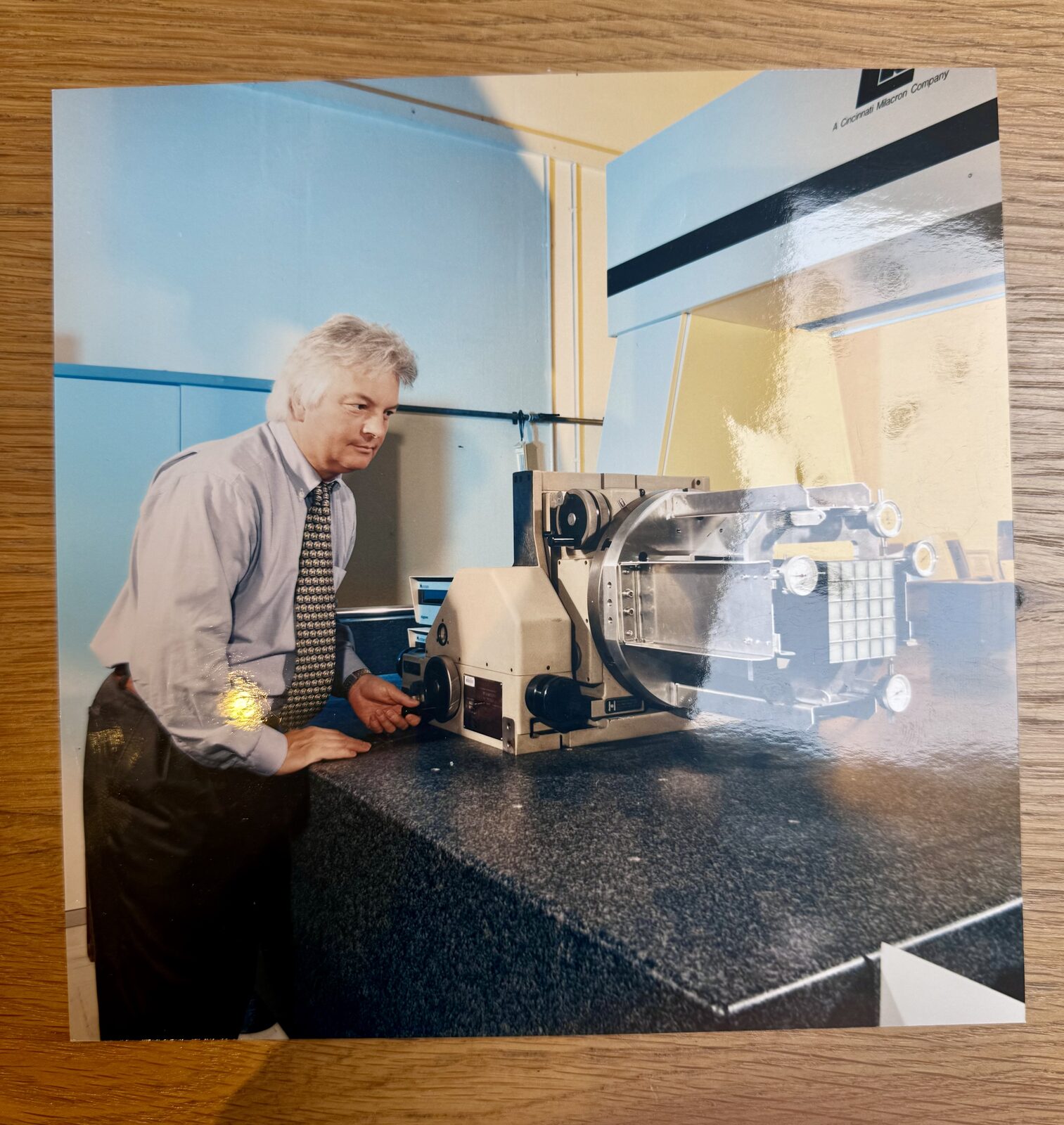
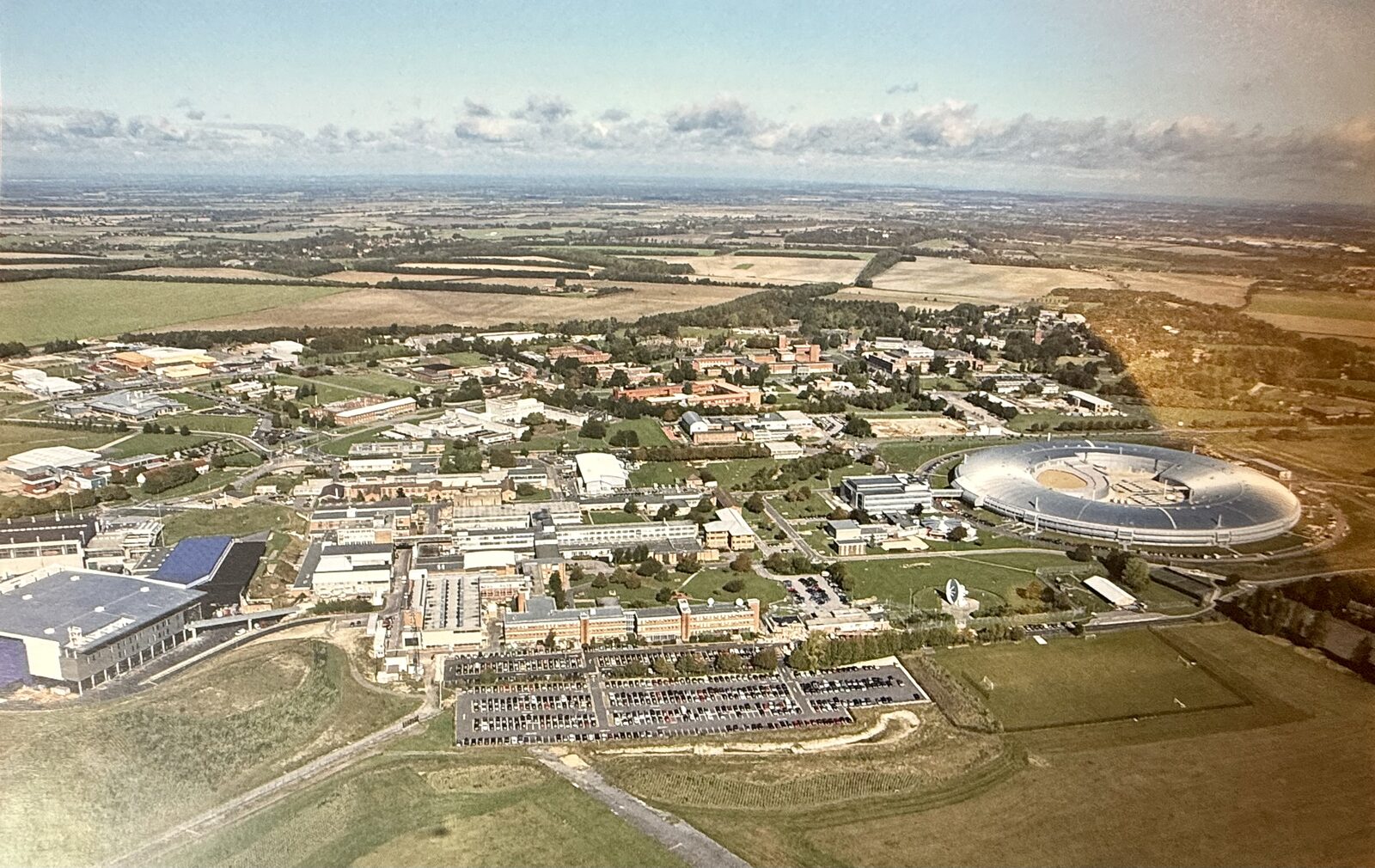
Brian John Smith was that person. Over a career spanning roughly thirty-six years at the Rutherford Appleton Laboratory, he designed mechanical systems for some of the most ambitious scientific instruments ever built — from a solar observatory orbiting between the Earth and the Sun, to the detectors that helped reveal the Higgs boson deep underground at CERN. He did not set out to do any of this. He started by learning how to use a lathe.

Throughout the story you'll find small “from the archive” notes. Each underlined link opens a scanned document from the family archive in a panel — glance at it, then close it and read on.

01

From schoolboy to engineer

Brian John Smith was born on 5 June 1947 and grew up in South Ockendon, Essex, where he attended the Lennard Secondary School from 1958 to 1962. His leaving reference describes a pupil “above average in ability” who showed “aptitude in Pottery and interest in many outdoor activities,” represented the school at rugby, and — tellingly for what would follow — worked as a laboratory assistant who “has shown initiative and the ability to work well without supervision.” His headmaster recommended him “to any employer as a trustworthy, conscientious and intelligent employee.”

On leaving school he began a Fitter and Turner apprenticeship with Murex Limited in Rainham, Essex, formalised in a Deed of Apprenticeship. Over several years he rotated through fitting shops, tool rooms, drawing offices, welders, motor mechanics and research departments — the full sweep of practical mechanical engineering. After finishing, he worked in a tool room and was considering becoming a tool fitter when he was made redundant. He retrained as a capstan lathe setter. Then he saw a job advertised at a place called the Rutherford Appleton Laboratory, on the Harwell campus in Oxfordshire. He applied and got it. He was in his mid-twenties, living with his wife in a prefab bungalow, and he had no idea what he was walking into.

His first role was hands-on maintenance engineering. Because he was small, he could crawl inside the laboratory's synchrotron to fix the target stations where particle beams hit their targets. He wore radiation badges. One day his badge fell off while he was working. He went for a cup of tea, came back, found the badge, and clipped it back on — not realising it had been sitting in a high-radiation area the whole time, soaking up a dose that looked like it had gone through Brian. He was barred from high-radiation areas for three months while they checked his levels.

He never told them the badge had fallen off.

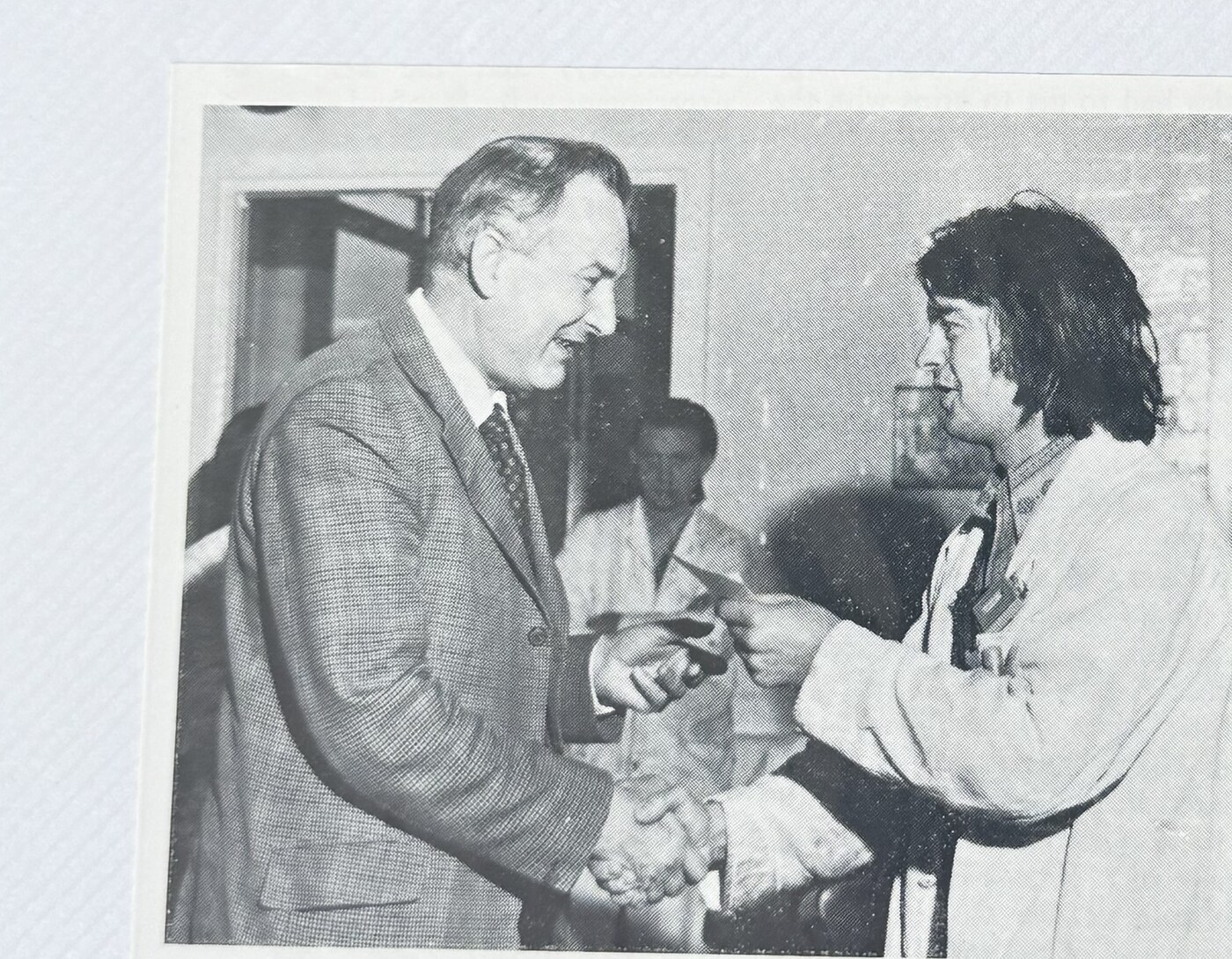
It was in these early years, working on the Nimrod accelerator, that Brian had his first documented taste of recognition — for a simple idea. In 1974 he won a £75 Suggestion Award for a “flip-top scintillator,” a device for locating the proton beam that could be flipped out of the beam's path when it wasn't needed, prolonging its life, cutting the radiation dose to staff and saving an estimated £300 in its first year. The Science Research Council's journal reported it under the headline “A rewarding suggestion” — and signed off with a line that could be Brian's motto: “Like all the best ideas, it is simple.”

Ron Russell presenting Brian Smith with his Suggestion Award cheque, 1974
Ron Russell (left) presenting Brian with his £75 Suggestion Award for the flip-top scintillator, 1974.

Later he transferred to the drawing office and began learning mechanical design. He noticed something that stayed with him: there were draughtsmen who could produce immaculate drawings but froze when asked to start from nothing.

“Putting the pen on the paper and getting going is the hardest thing. You need to figure out the idea. And then try to distil that into a drawing.”

Brian could do both — think up the idea and draw it. That combination would define the rest of his career.

From the archive: Lennard School attendance certificate (1958–59) · school report book · the Rutherford job advert · handwritten “potted history” · RAL training record · City & Guilds result (1968) · City & Guilds Part 3 (1975) · Reading College report

02

Looking at the Sun

SOHO & the aperture door mechanism

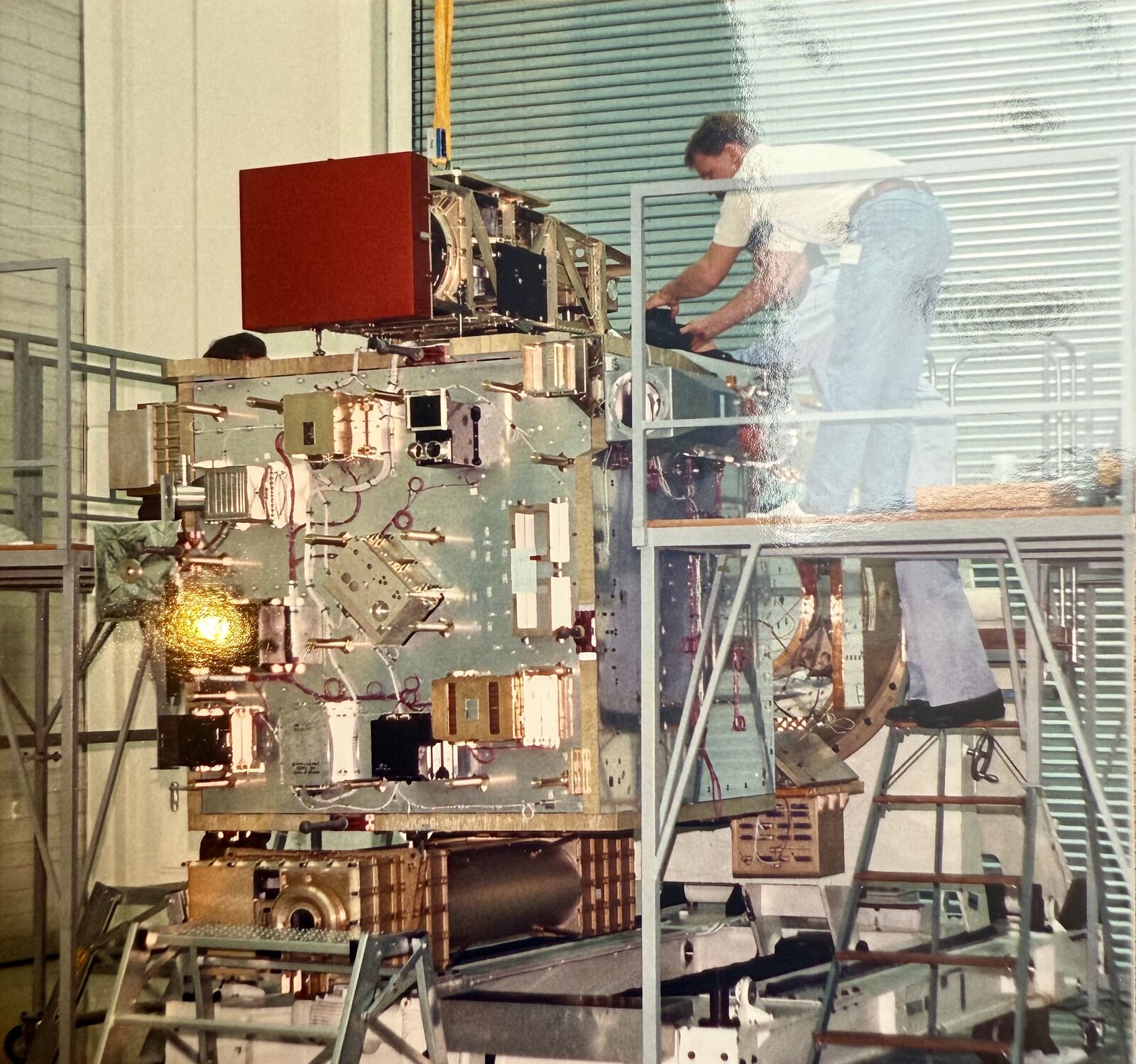
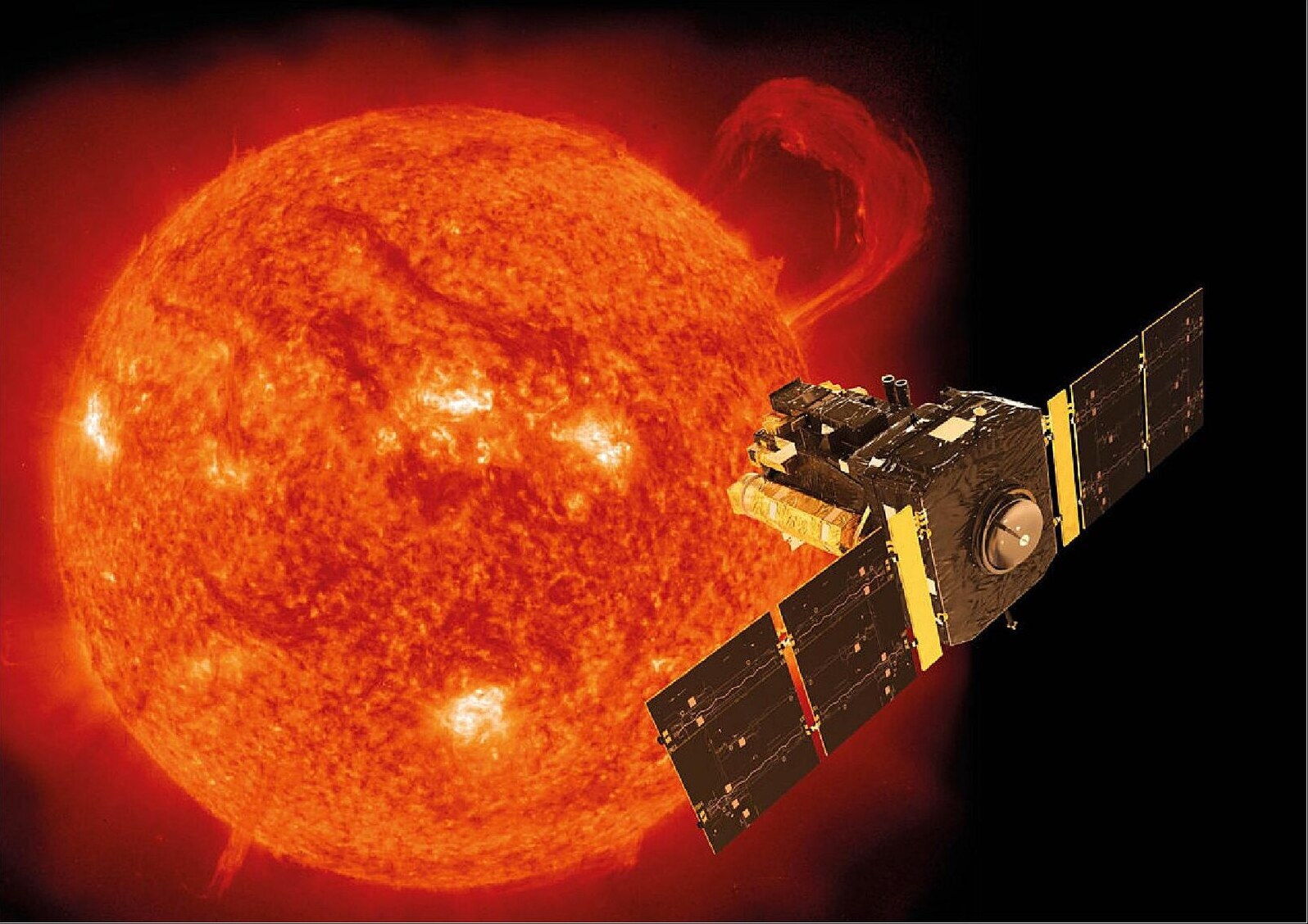
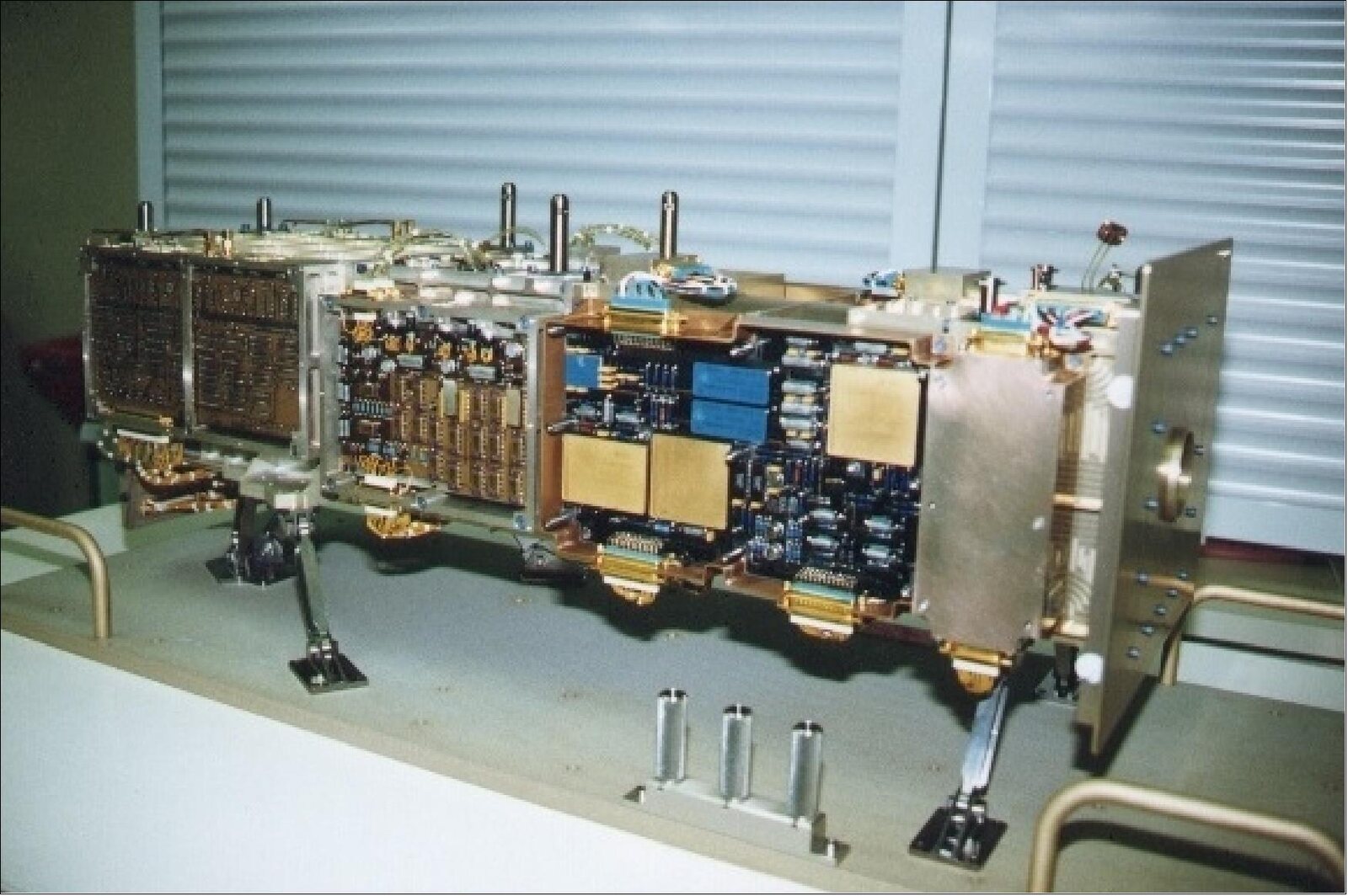
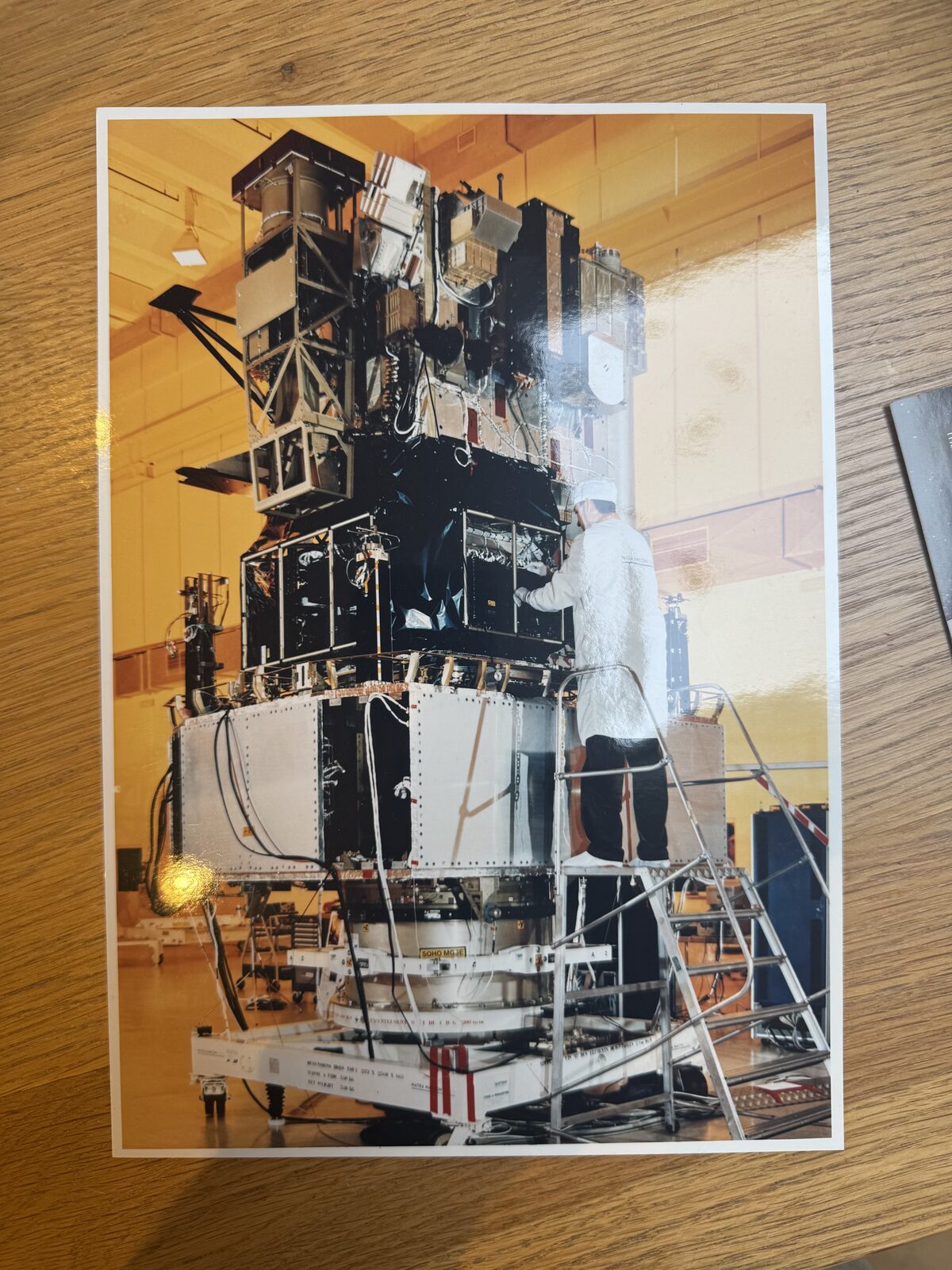
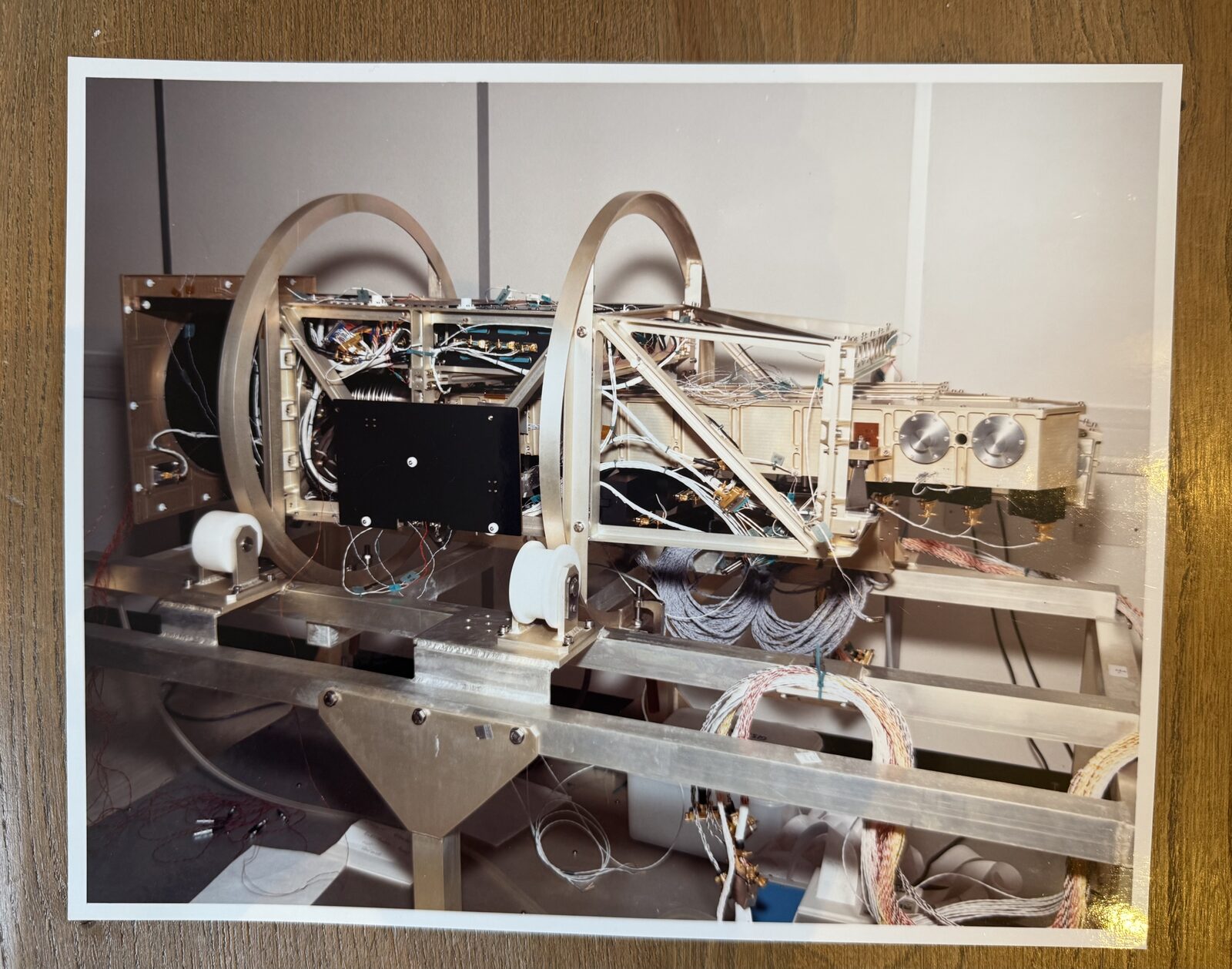
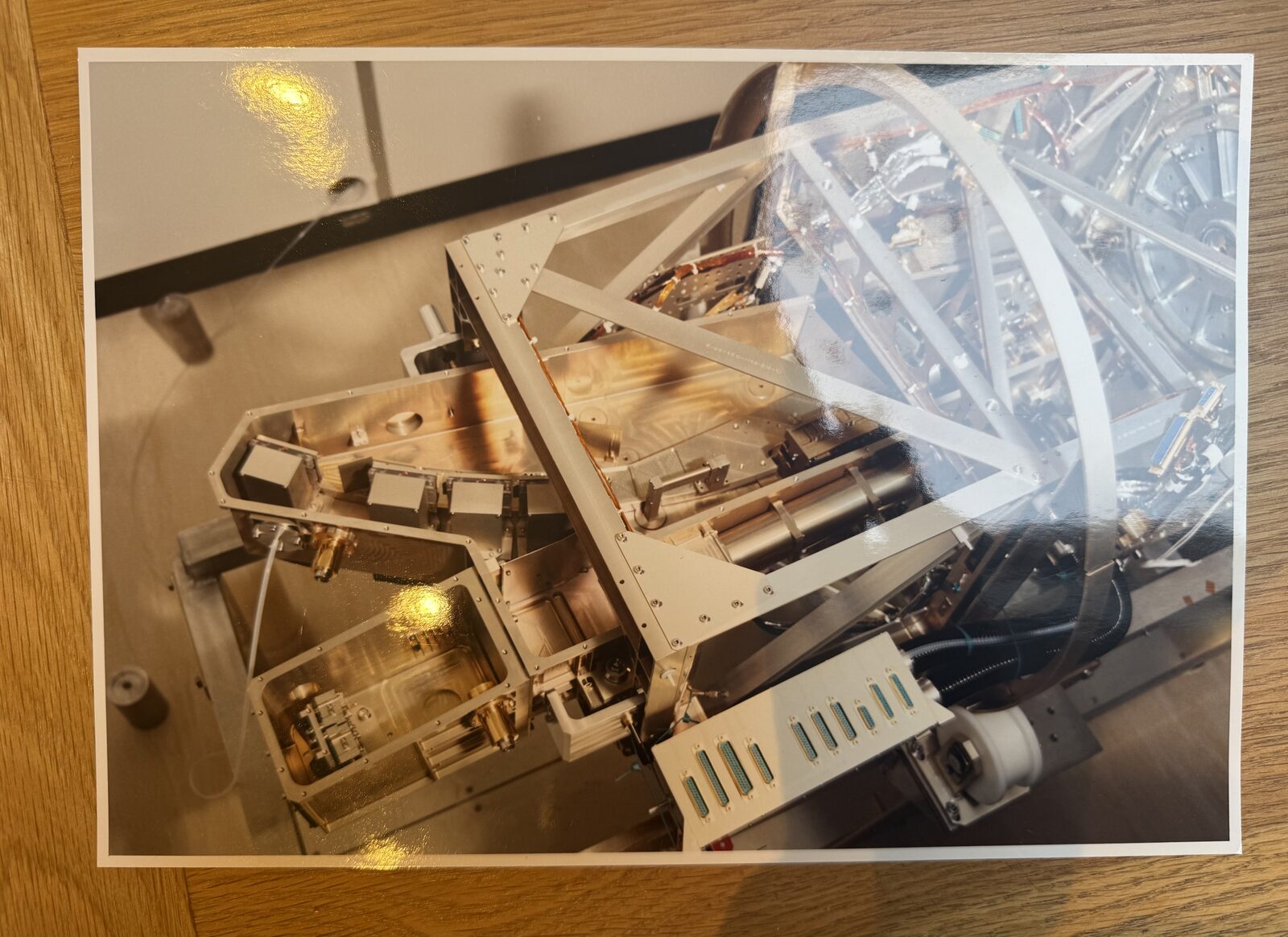
In the early 1990s Brian was assigned to the Coronal Diagnostic Spectrometer (CDS) — one of twelve instruments aboard SOHO, the Solar and Heliospheric Observatory, a joint ESA/NASA mission built to watch the Sun from 1.5 million kilometres out in space. CDS was built at Rutherford. It splits extreme-ultraviolet light from the Sun into its wavelengths to measure the temperature, density and movement of plasma in the solar corona. Brian designed the mechanical systems that made it work.

His most distinctive contribution was the aperture door mechanism. Whenever SOHO's thrusters fired, the doors had to close to stop exhaust contaminating the delicate optics. If they failed, the instrument was finished. Brian built a system around a stepper motor and permanent magnets: magnets held the doors shut; a second powered magnet cancelled the first to let a door flip open; the motor drove it closed again; then the power switched off and the magnets held everything in place.

Around the motors he placed concentric aluminium-coated tubes — layered heat shields with air gaps — to stop the Sun's heat destroying them. He thinks he used about six layers.

“Probably only needed two shields, and I put extra just to be on the safe side. Because how do you test it?”

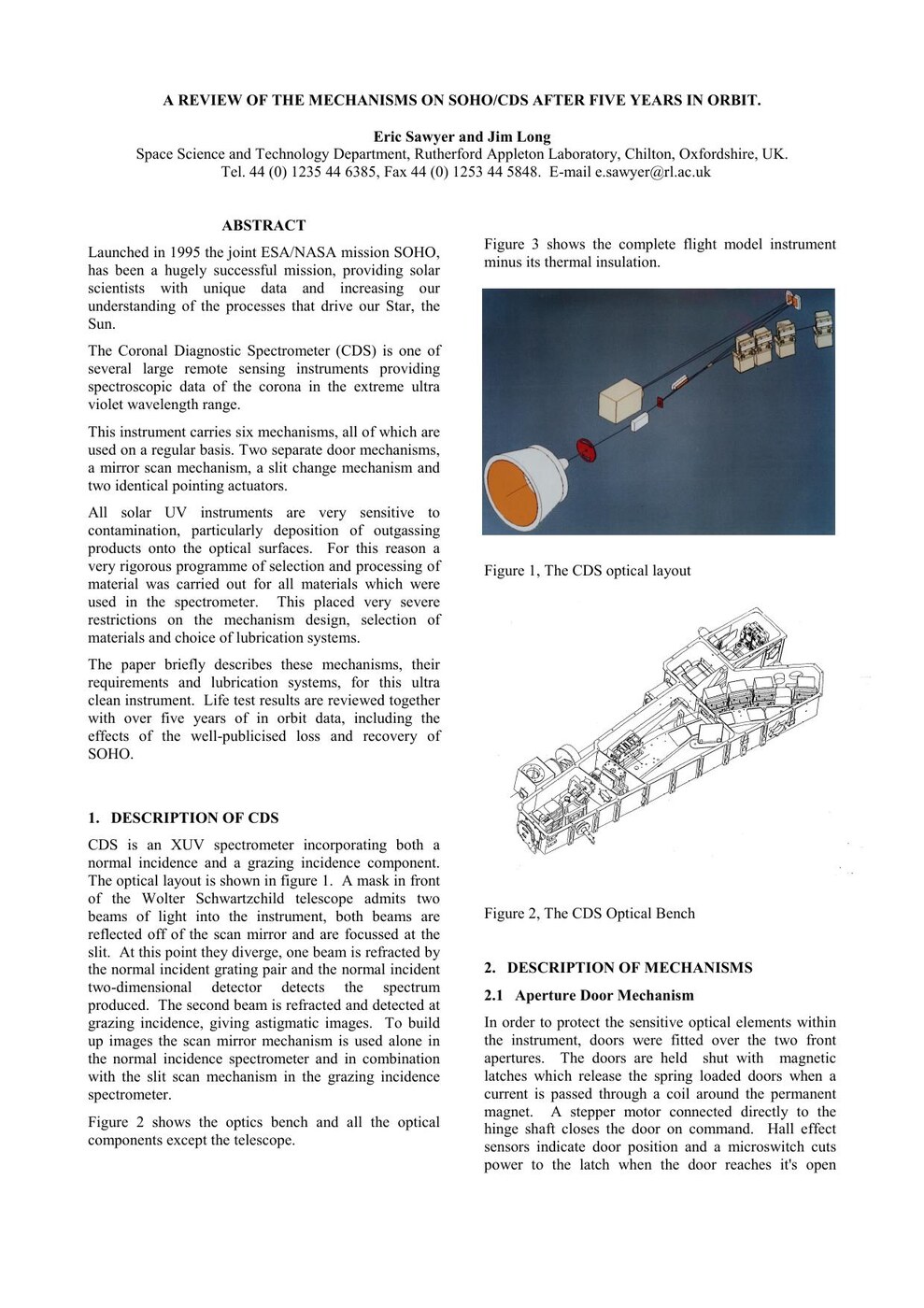
Rutherford couldn't simulate the solar-heat environment, so Brian used engineering judgement and built in a margin. It worked. When American collaborators saw the mechanism, they were taken aback at how simple — and how cheap — it was. Years later, his son Leroy found the CDS operational reports in the family archive and noticed the language: the door mechanism was described as a “simple design” that “worked well.”

From the lab's archive Rutherford's own five-year review found the CDS mechanisms “worked well” in orbit. Read the review →

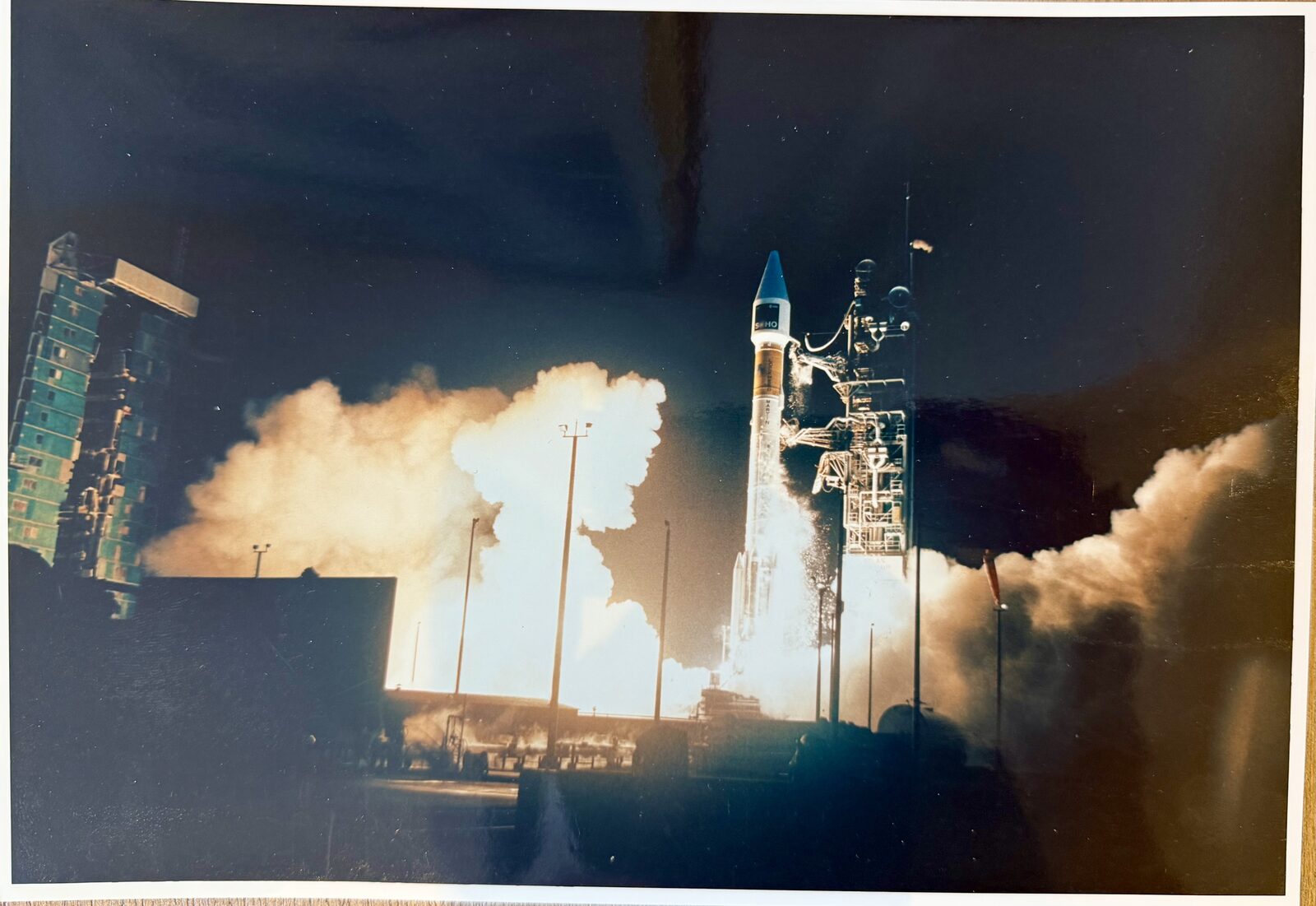
SOHO launched on 2 December 1995, carrying CDS and Brian's door mechanism into space. The instrument worked. The doors opened and closed as designed, protecting the spectrometer through years of operation, and CDS returned data that helped scientists understand the hidden structure of the solar corona. SOHO itself is still in space today, thirty years on.

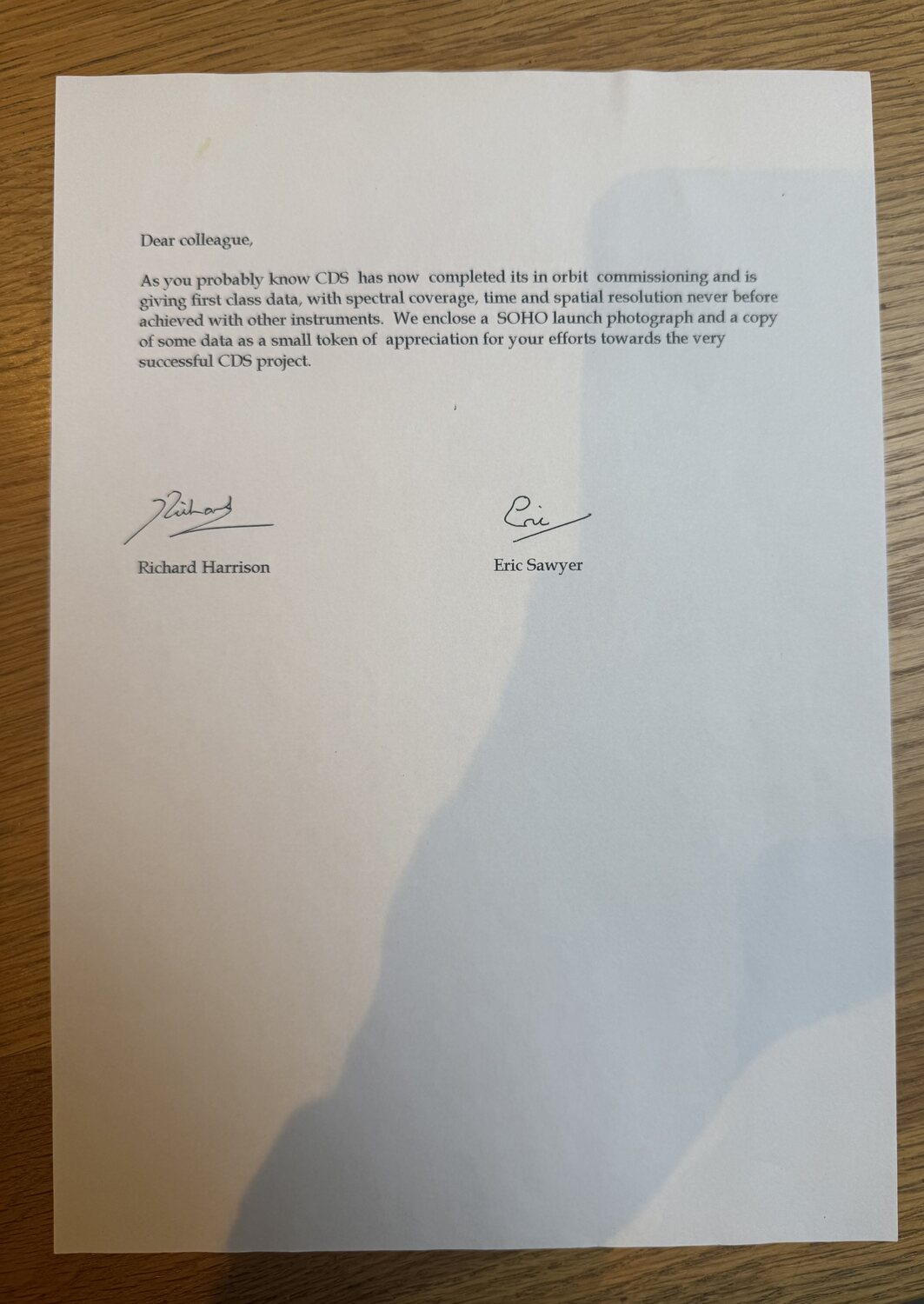
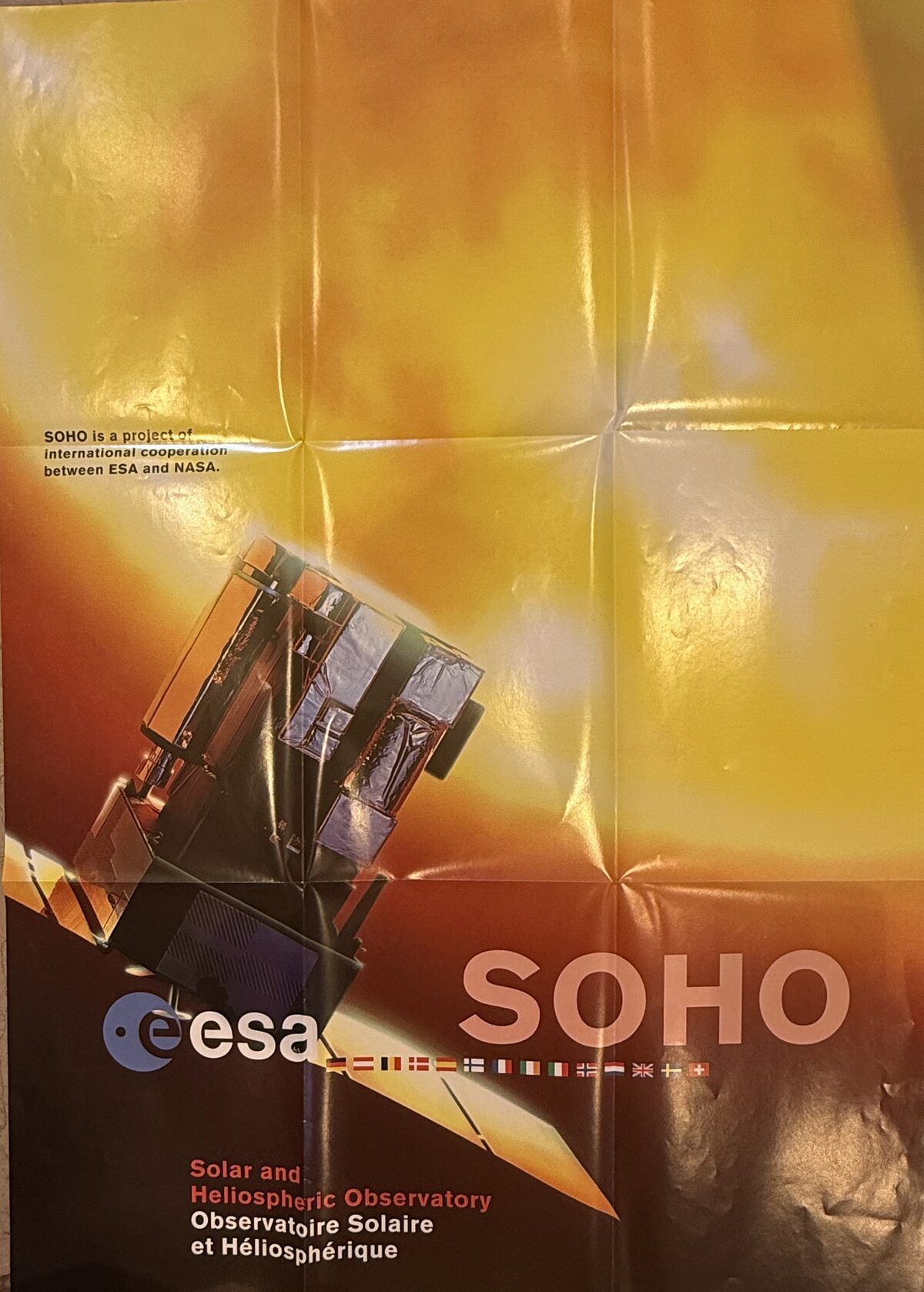
From the archive: CDS Operations Manual (the door mechanism) · RAL review after five years in orbit · ESA SOHO certificate · ESA SOHO sticker · CDS commissioning letter · launch photograph · SOHO instrument brochure · CDS first data · “CDS sees first light” · “SOHO recovered”

The CDS spectrometer during build at Rutherford
During build at Rutherford — the instrument Brian designed the mechanisms for.
SOHO in space, watching the Sun
…and the finished mission in space, watching the Sun a million miles from Earth. ESA/NASA
SOHO launch, December 1995
Launch — 2 December 1995.
The finished CDS spectrometer
The finished CDS spectrometer.
CDS spectrometer hardware
CDS spectrometer hardware.
03

Measuring the sea and the sky

The door mechanism wasn't Brian's first encounter with instruments that left the ground. Earlier in his Rutherford career he designed detectors fitted under the nose cones of RAF Hercules C-130 aircraft, measuring sea-surface temperature from the air on set routes — “long before anybody was worried about it,” he says, meaning long before climate change became a public concern.

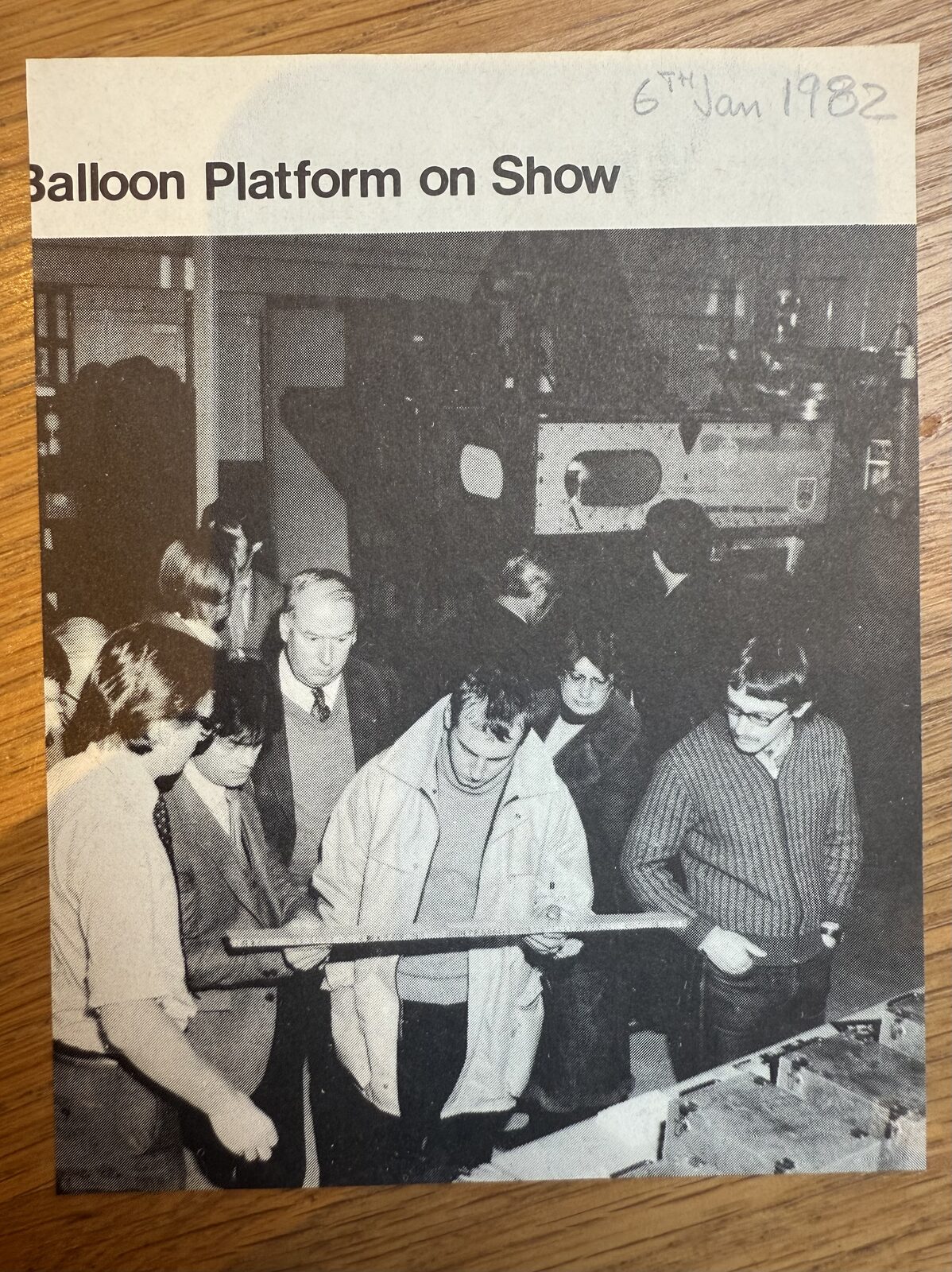
He also knew the people behind Rutherford's atmospheric balloon programme. A newspaper clipping in his archive records one flight where the crash basket — designed to collapse on impact and absorb the landing — turned out to have been built a little too strong. It didn't collapse. The crew were unhurt, but it made for a harder landing than planned.

Newspaper clipping: Balloon Platform on Show, 1982
“Balloon Platform on Show,” a press clipping from Brian's archive, 1982.

No photograph of this work survives in Brian's archive. To see the aircraft itself, the RAF's Air Historical Branch has a gallery of the Hercules in RAF service →

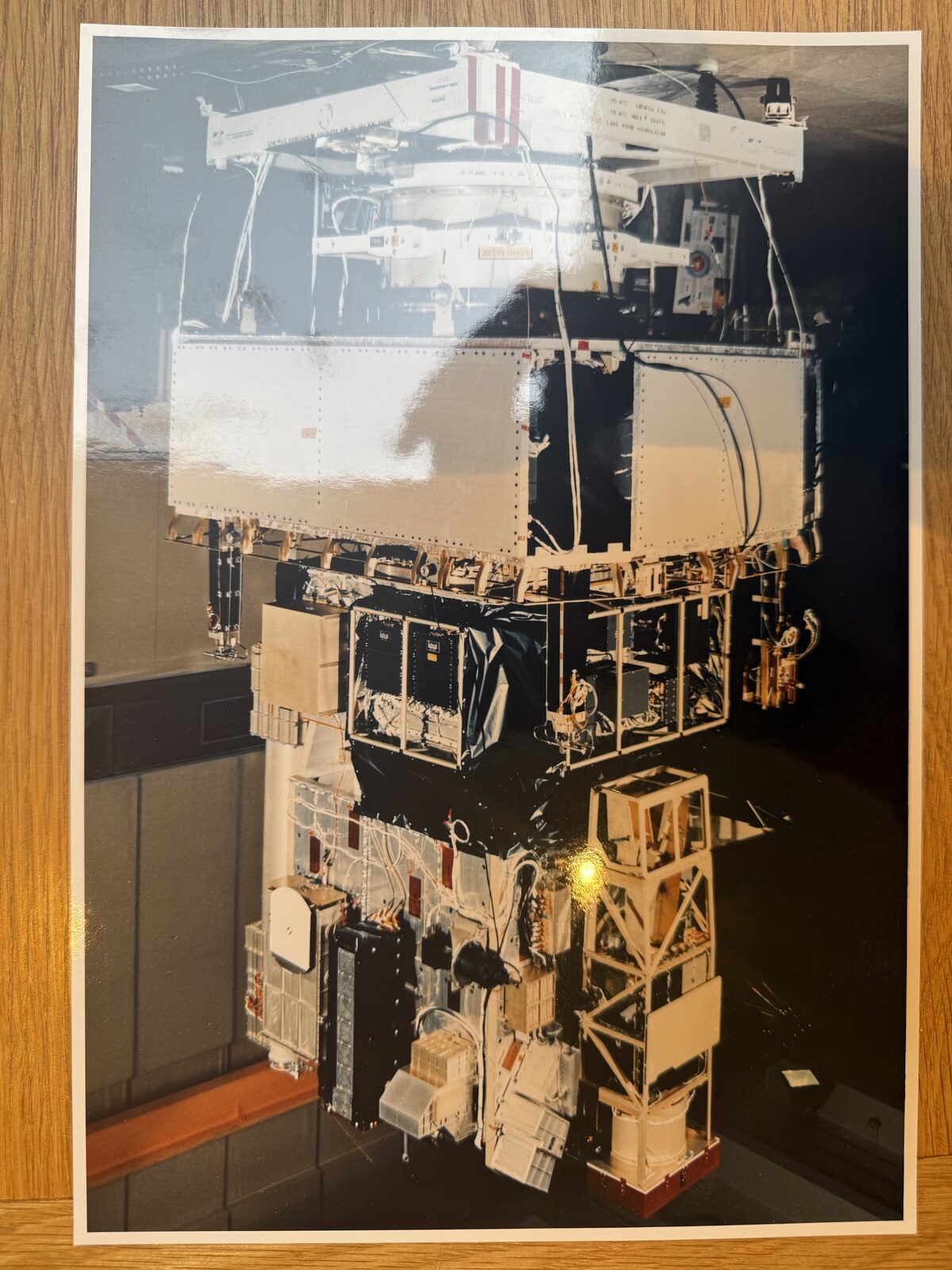
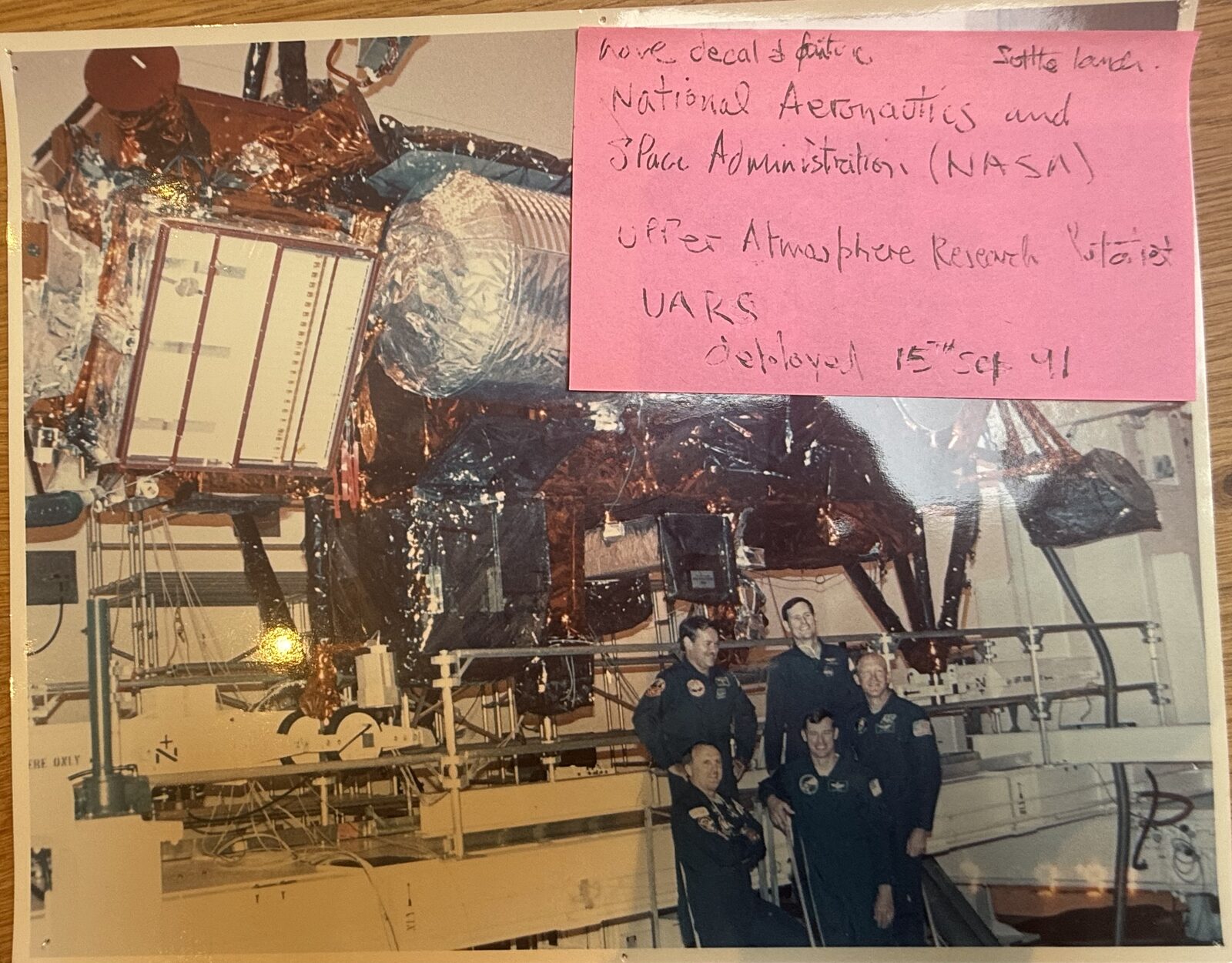
That atmospheric-science work reached space, too. Brian worked on ISAMS — the Improved Stratospheric and Mesospheric Sounder — one of the instruments aboard NASA's Upper Atmosphere Research Satellite (UARS), deployed from the Space Shuttle Discovery on 15 September 1991 to study the ozone layer and the chemistry of the upper atmosphere. For his part, NASA sent Brian a certificate of recognition signed by its Administrator, Richard Truly — together with a mission decal that had actually flown aboard the shuttle.

The UARS satellite during integration, annotated in Brian's hand
UARS during integration before its 1991 launch — annotated in Brian's hand: “have decal & cert.”
04

Cooling things down

Cryogenic pumps

Brian designed liquid-nitrogen pumps for a cryogenic cooling system serving a particle-physics experiment in Germany. He designed the pumps, had them pressure-tested at Rutherford, and shipped them out. Some of the physicists there were sceptical.

“They said, ‘That'll never work.’ But it did. And there it goes. It doesn't always have to be really complicated.”

Cryogenics is the engineering of the very cold. The superconducting magnets at the heart of a modern detector only work when chilled to hundreds of degrees below zero and held there by liquefied gases like nitrogen and helium. The German experiment was most likely H1, on the HERA electron–proton collider at DESY in Hamburg, where Rutherford built the experiment's huge superconducting magnet and the cryogenic system that kept it cold — the kind of unglamorous but essential plumbing Brian's pumps fed into.

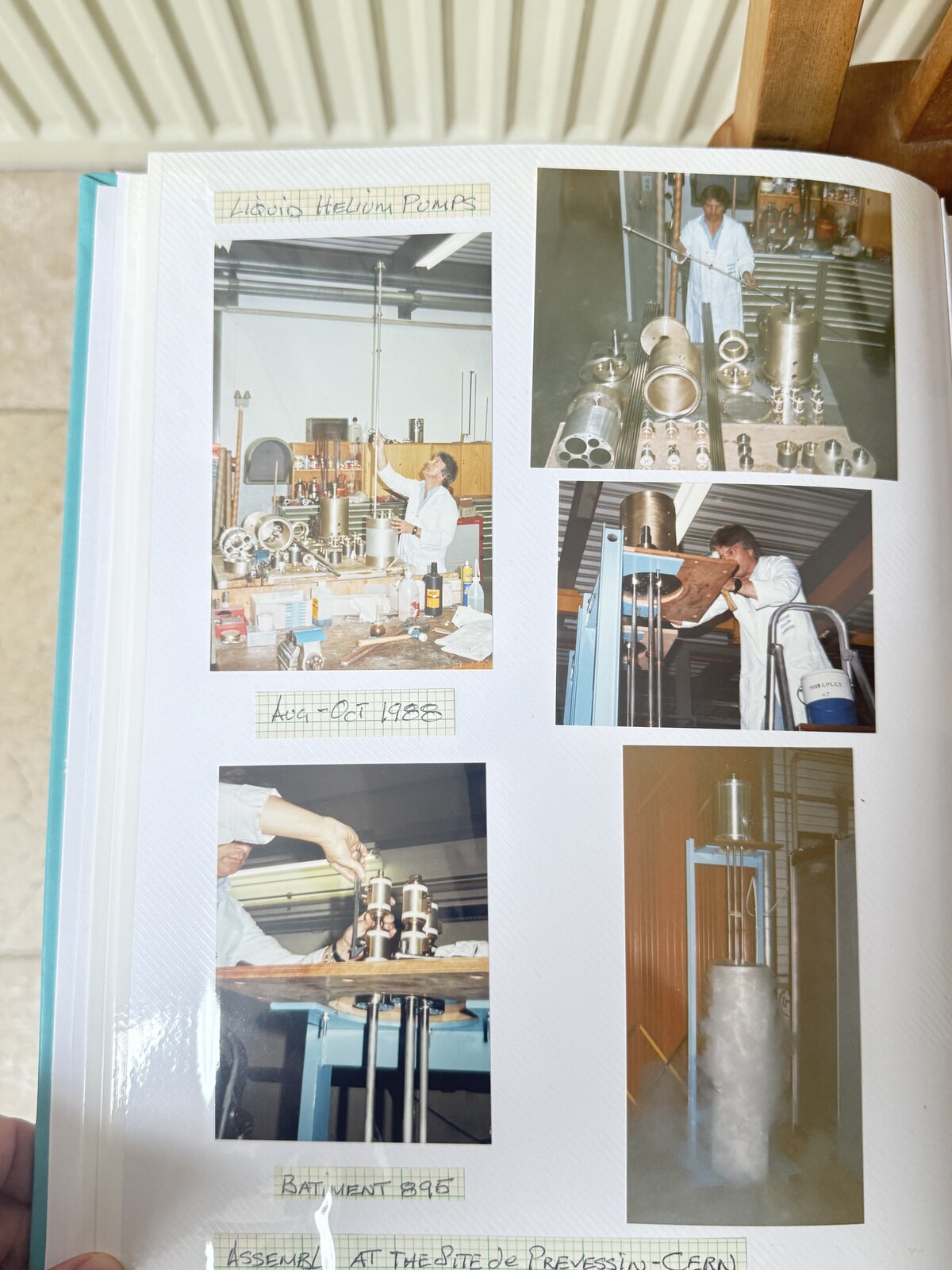
His archive also documents a related piece of cryogenic work in his own hand: liquid-helium pumps assembled and tested at CERN's Prévessin site in the autumn of 1988 — some of the few photographs that survive of Brian actually at work on a project.

Album page: liquid helium pumps assembled at CERN, 1988
“Liquid Helium Pumps · Aug–Oct 1988 · Assembly at the site de Prévessin – CERN” — Brian's own album page.

From the archive: the liquid-helium pump album page (CERN, 1988)

05

The giant detectors

CMS, ATLAS & the Higgs boson

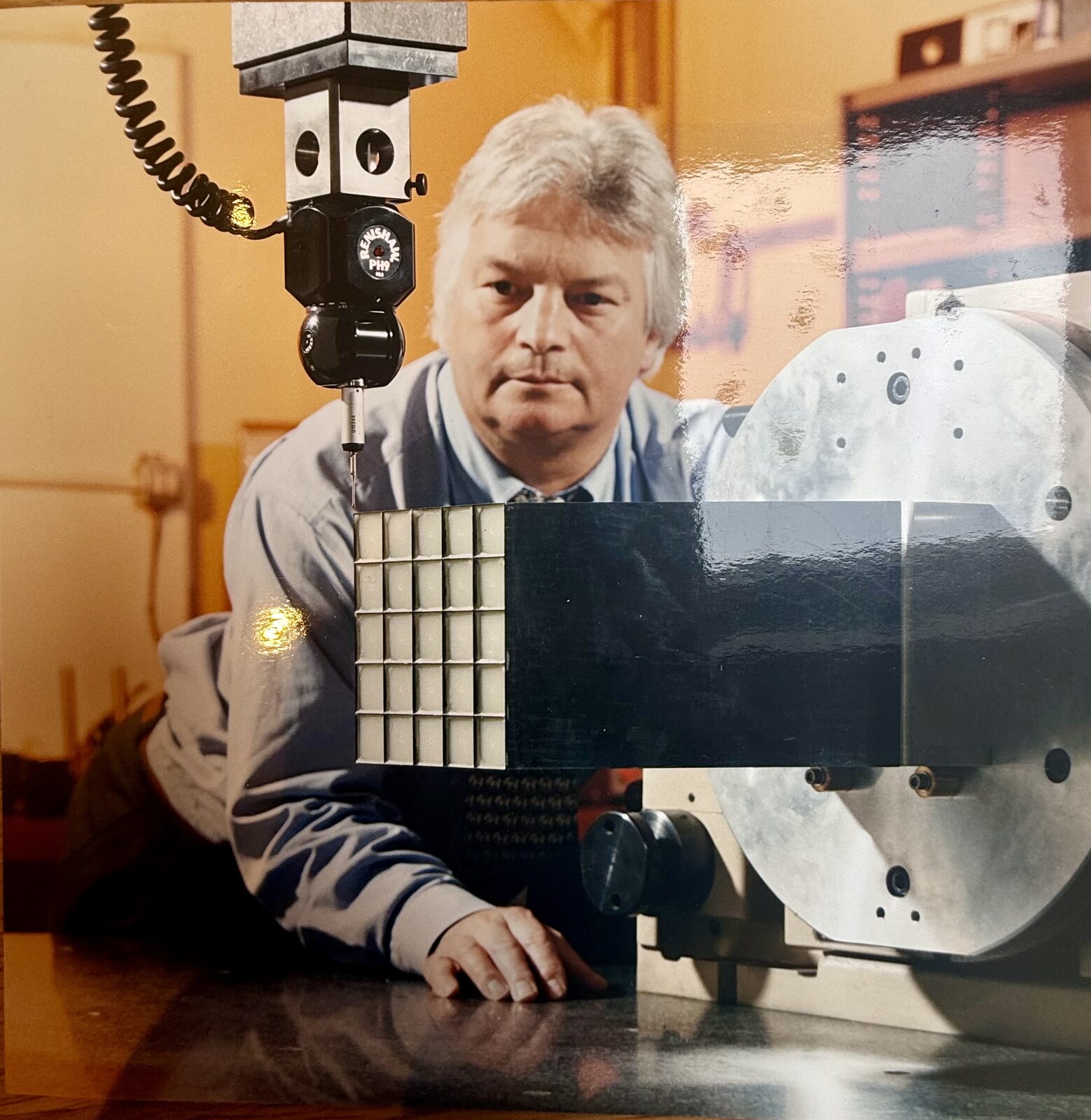
The largest project Brian worked on was the Compact Muon Solenoid — CMS — one of two cathedral-sized detectors on the Large Hadron Collider at CERN. Its electromagnetic calorimeter (ECAL) is built from tens of thousands of dense lead-tungstate crystals that flash with light when a high-energy particle passes through.

Brian solved a specific problem that had stalled the project. A team in Switzerland had designed the ECAL end caps so that every crystal was a different shape — meaning every thin-walled pocket, or alveola, needed its own mould. Technically elegant; financially impossible. Brian's RAL team took it on, and he got the job of making it work.

His first attempt used seven alveola sizes. Too many. He iterated. Then he walked into a meeting and said:

“All the crystals are the same. And all the alveoli are the same. You could put any crystal in any alveola pocket, and any alveola in any position on the end cap.”

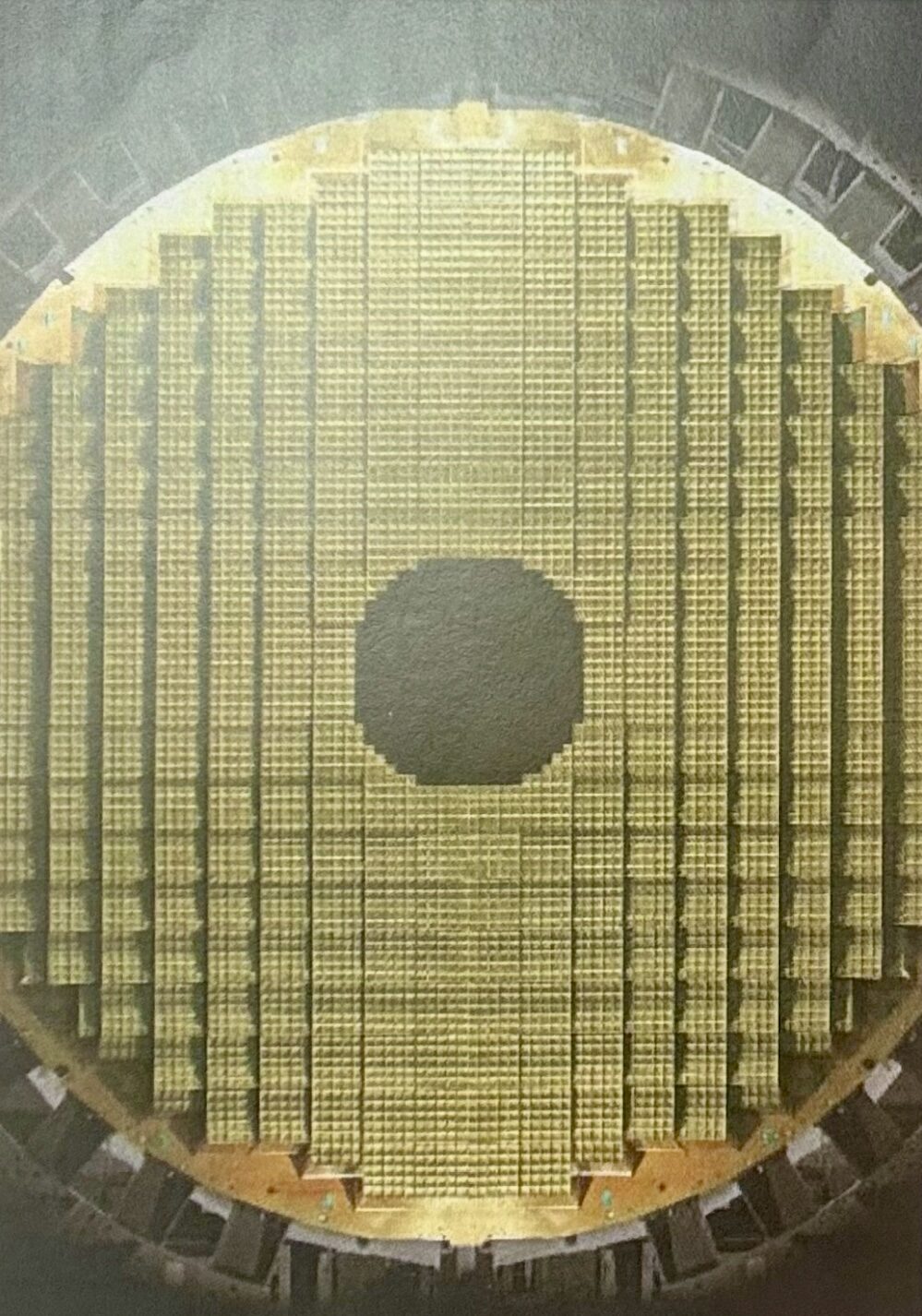
They said: “We'll have that.” It was transformative. Instead of thousands of unique components, the entire end cap could be built from identical, interchangeable parts — standardised, repairable, swappable. The crystals and alveoli were manufactured in Russia; Brian designed the assembly trolleys, drew up the read-out electronics cards, and devised the assembly procedure. His team even built a test assembly from brass dummy crystals and deliberately destroyed it to find its failure load.

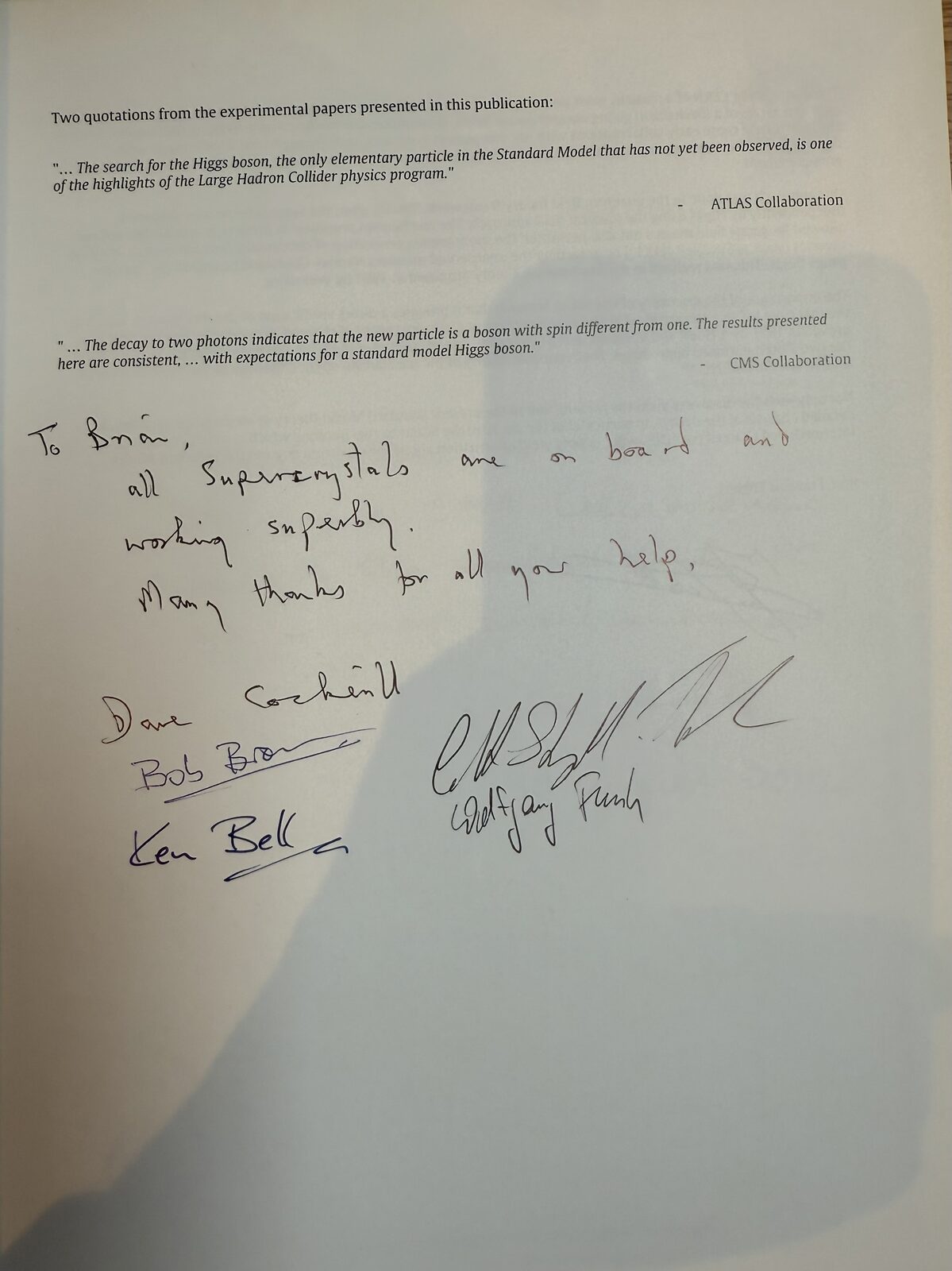
Brian also did a little work on the neighbouring ATLAS experiment, where his name appears on the RAL contributor list for the SCT end-cap. When the Higgs boson was detected in 2012 — by CMS and ATLAS independently — the calorimeters were central. The Higgs was inferred from pairs of high-energy photons arriving at precisely the right energies and angles. The crystals had to sit exactly right; the alveoli had to hold them perfectly. Brian's universal end-cap design was part of that chain.

Asked whether he's responsible for the Higgs boson, his answer is immediate:

“Yep — it's my fault!”

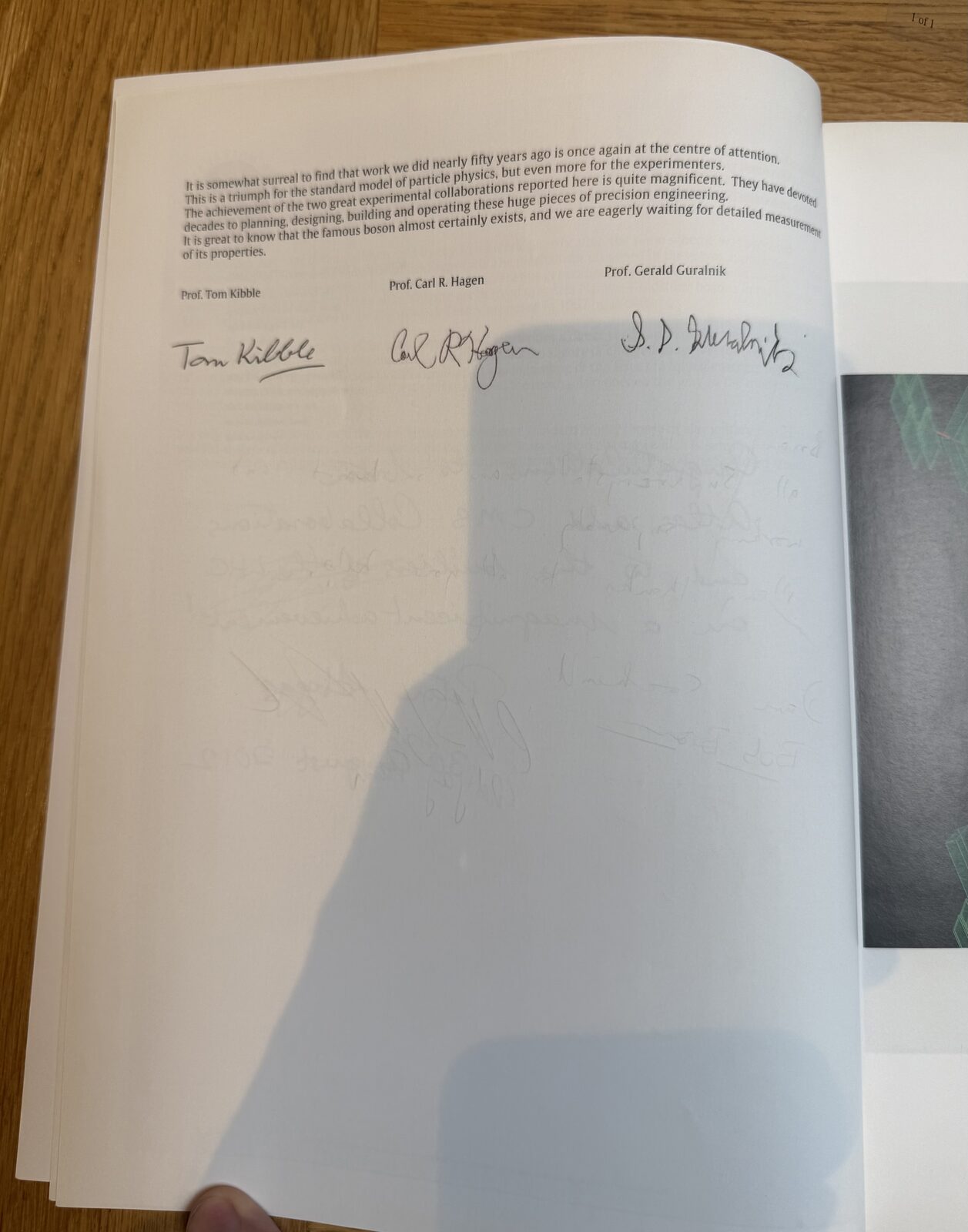
From the archive: signed dedication on the Higgs publication · the Higgs paper · ATLAS SCT end-cap seminar · ATLAS brochure
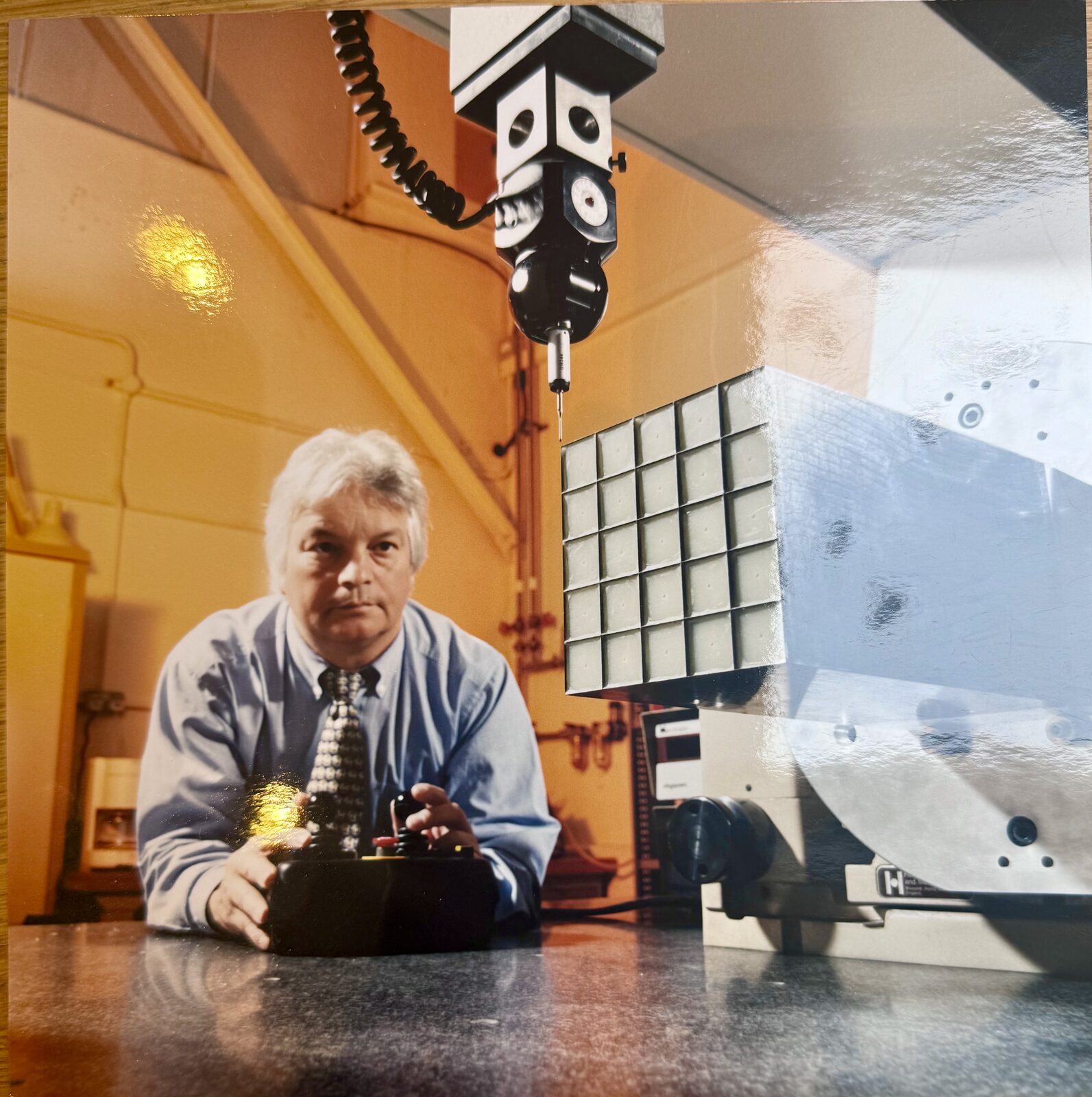
Brian Smith holding a CMS ECAL crystal matrix at RAL
Brian with a CMS ECAL crystal matrix at Rutherford.
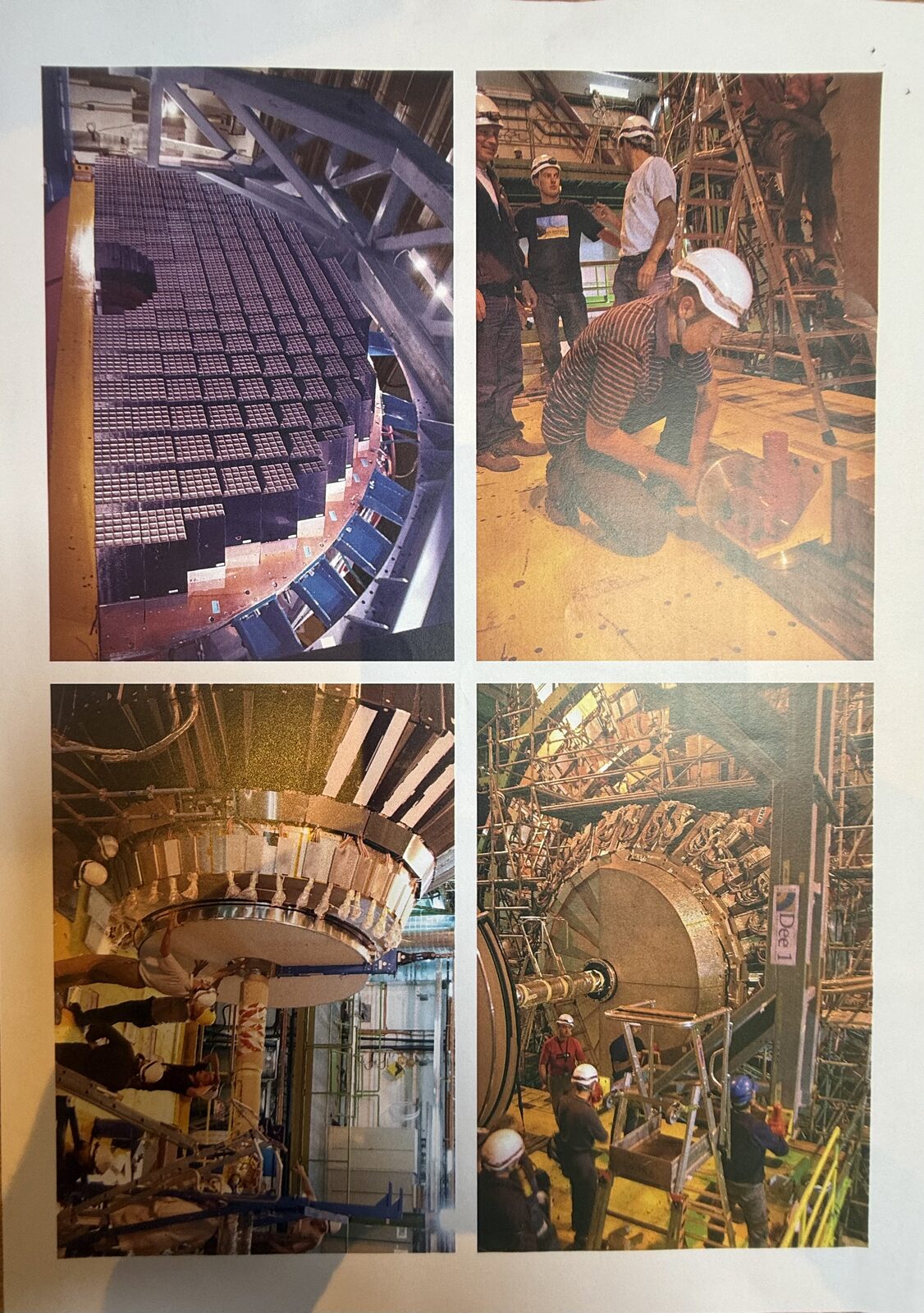
CMS ECAL end-cap disc of crystals
The ECAL end cap — identical, interchangeable parts.
Brian working with crystal sub-assembly
Handling a crystal sub-assembly.
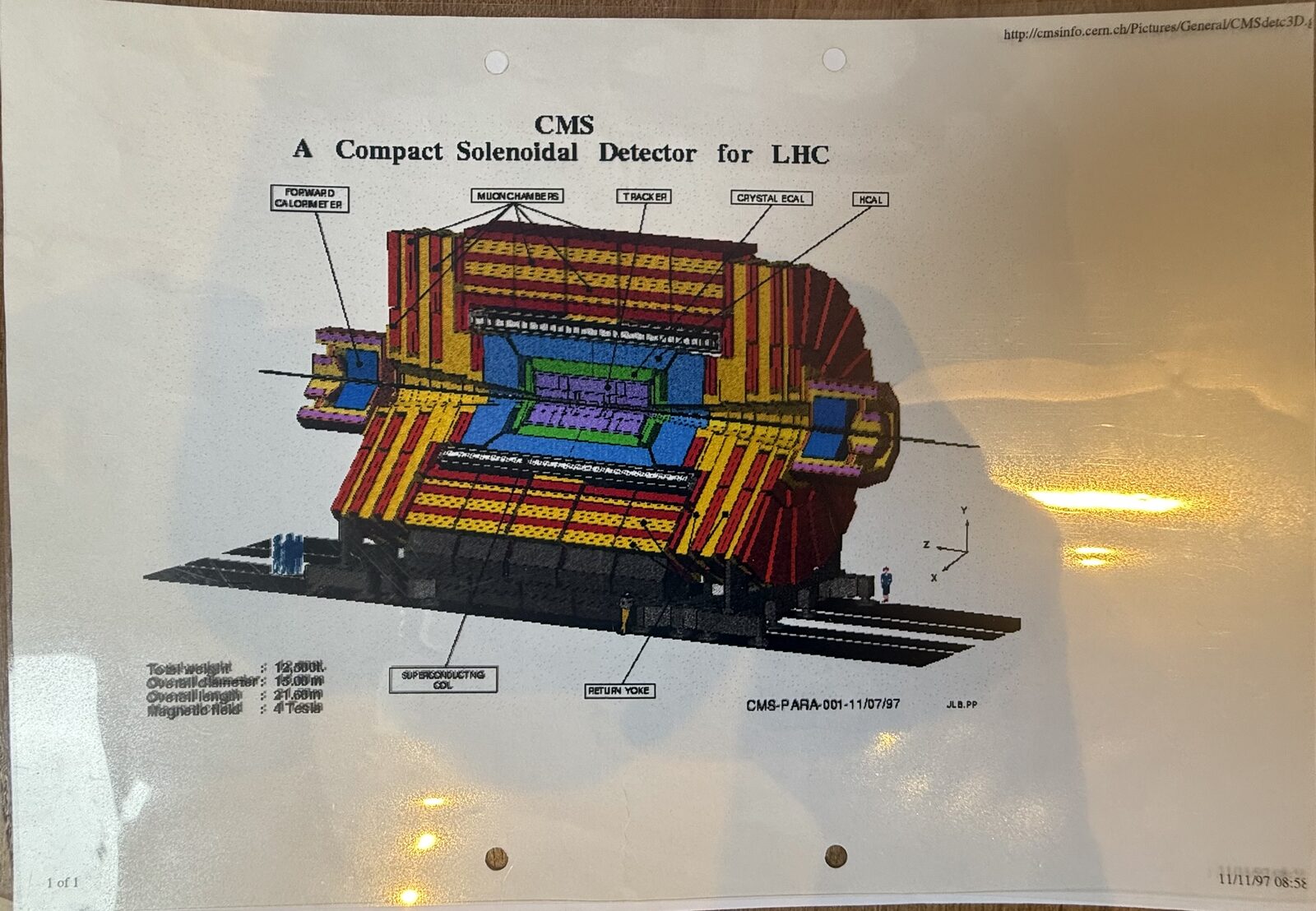
Cutaway of the CMS detector
The CMS detector in cross-section.
Diagram of the CMS detector
How CMS is built up in layers.

Want the whole story — what the Higgs is, why CERN built a 27-km machine, and why the crystals mattered?

Read “Discovering the Higgs Boson” →
06

How Brian thought about physics

Brian was not a physicist. He was a mechanical designer who happened to work on physics experiments, and his view of the science was practical, curious and gently irreverent. He once put a question to one of the physicists at Rutherford:

“If you've got an ice cube, and it's got 12 volts in that ice cube, and I get a big hammer and I smash the ice cube, you get lots of little bits — but each one's got a little voltage in it. How do I know if that's a new particle and not just part of the original ice cube?”

The physicist replied: “That's what we're doing it for.” Brian took this in his stride.

“Basically, they don't know exactly what they're finding — which is perfectly fine. But they get funding for it, and we get other developments. The web and all that. So we get spin-off technology come out of it.”

The discoveries may be abstract, he reasoned, but the engineering and technology they drive are real.

07

The way he worked

What runs through all of Brian's stories is a consistent design philosophy: keep it simple, keep it light, keep it cheap, build in a safety margin, and make it work. He knew that on a satellite, or deep underground at CERN, you cannot send someone to fix a broken mechanism. The thing has to work the first time and keep working.

He kept his drawings in A4 folders on a bookshelf in his office — a personal archive eventually taken by management when Rutherford was pursuing British Standards accreditation. They needed example drawings, and Brian's were good enough to use as templates. He didn't get them back. He used the Medusa CAD system as computing arrived in the drawing office, but his instinct was always to start with the idea first and the drawing second.

“Doing meetings, writing reports — that's my worst part. And it appears that I was better at it than all the other clever sorts.”

He chose family over extended overseas postings. He could have spent months at CERN, but he kept his trips to about a week at a time. “I could have actually stayed out there for months,” he says, “which would not have been that good for the family, because you kids were growing up pretty quick.” He came home at five o'clock. He enjoyed the work. He didn't think of it as historic at the time.

From the archive: “Brief General Experience” sheet

A life in milestones

Dates are approximate where Brian could not recall exact years.

  1. 5 Jun 1947

    Born

    Brian John Smith.

  2. 1963–68

    Murex apprenticeship

    Fitter & Turner apprenticeship in Rainham, Essex; City & Guilds with credit, 1968 — the craft foundation for everything that followed.

  3. ~1968–73

    Tool room → redundancy → lathe setter

    Made redundant from the tool room; retrained as a capstan lathe setter.

  4. mid-1970s

    Joins Rutherford Appleton Laboratory

    Maintenance engineer — crawling inside the synchrotron to repair target stations. The radiation-badge incident.

  5. late 1970s

    Transfers to the drawing office

    Learns mechanical design. Hercules sea-temperature detectors and the atmospheric balloon programme.

  6. 1990–93

    SOHO / CDS door mechanism

    Designs the magnetic-latch aperture doors and layered heat shields for the solar spectrometer.

  7. 2 Dec 1995

    SOHO launches

    Brian's door mechanism flies. It still works — and SOHO is still in orbit thirty years later.

  8. mid-1990s

    Cryogenic pumps for Germany

    Liquid-nitrogen pumps, tested at RAL, shipped abroad. “That'll never work.” It did.

  9. ~1998–2002

    CMS ECAL end-cap breakthrough

    The universal, interchangeable crystal-and-alveola design. Russian production; assembly moves to CERN.

  10. ~2009–10

    Retires from RAL

    At sixty, after roughly thirty-six years.

  11. 4 Jul 2012

    Higgs boson discovered

    Announced by CMS and ATLAS. The ECAL — and Brian's end caps — were part of the detection.

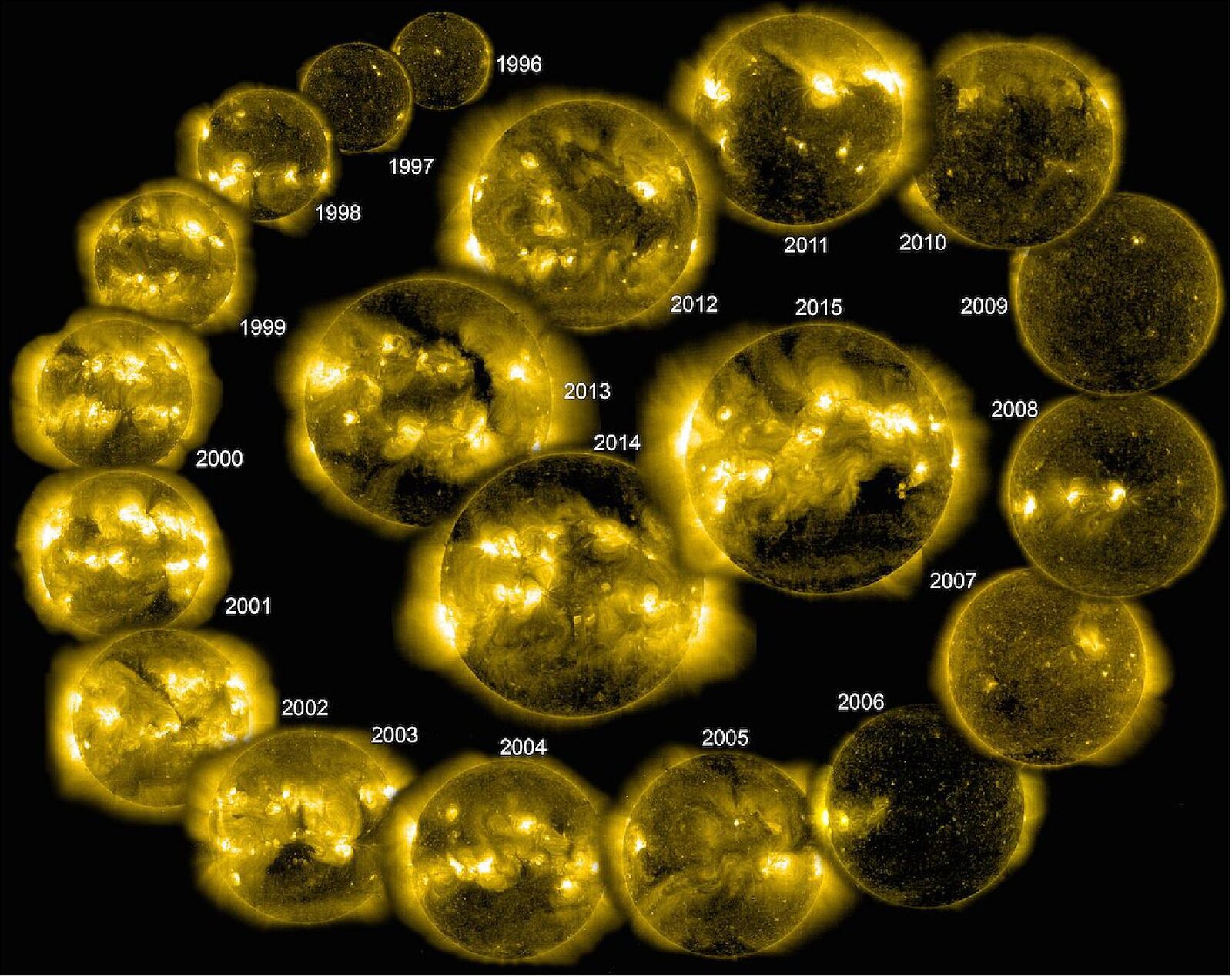
SOHO is still watching the Sun thirty years after Brian's door mechanism flew.

Explore the SOHO 30-year mission timeline →

About this archive

This whole site began with a cardboard box on a shelf. Inside were Brian's certificates, a handful of official photographs, a few letters and newspaper clippings, and the SOHO and CMS materials he'd kept over a thirty-six-year career — quietly, without ever thinking of it as historic.

His son Leroy sorted the box, scanned the documents into an Obsidian archive, and recorded a long conversation with Brian on 13 May 2026 to capture the stories the papers couldn't. That recording is the backbone of everything here. You can read the full conversation, browse the source documents, or see more of Brian himself.

In his own words — listen to the full recording (13 May 2026, about 52 minutes).

Where Brian couldn't recall an exact date or detail, it's marked as approximate rather than invented — preserving the real record matters more than tidiness. If you're family and you know the story behind a photo, or have more to add, those gaps are meant to be filled.

Print this story / save as PDF →

When you look at photographs of SOHO floating in space, or at the vast layered bulk of CMS in its underground cavern, it is worth remembering that inside those machines are thousands of small mechanical decisions — a magnet placed just so, a heat shield added for safety, a crystal pocket designed to be universal rather than unique. Those decisions were made by people like Brian, putting pen to paper and figuring out the idea.

“I did simple things that worked.”

They did. And they still do.

“You've worked on some interesting stuff. One moment you're going into outer space, looking at the Sun. And the next, exploring the tiny invisible particles that you can't see.”
— Leroy Smith to his father, May 2026